




NEWS
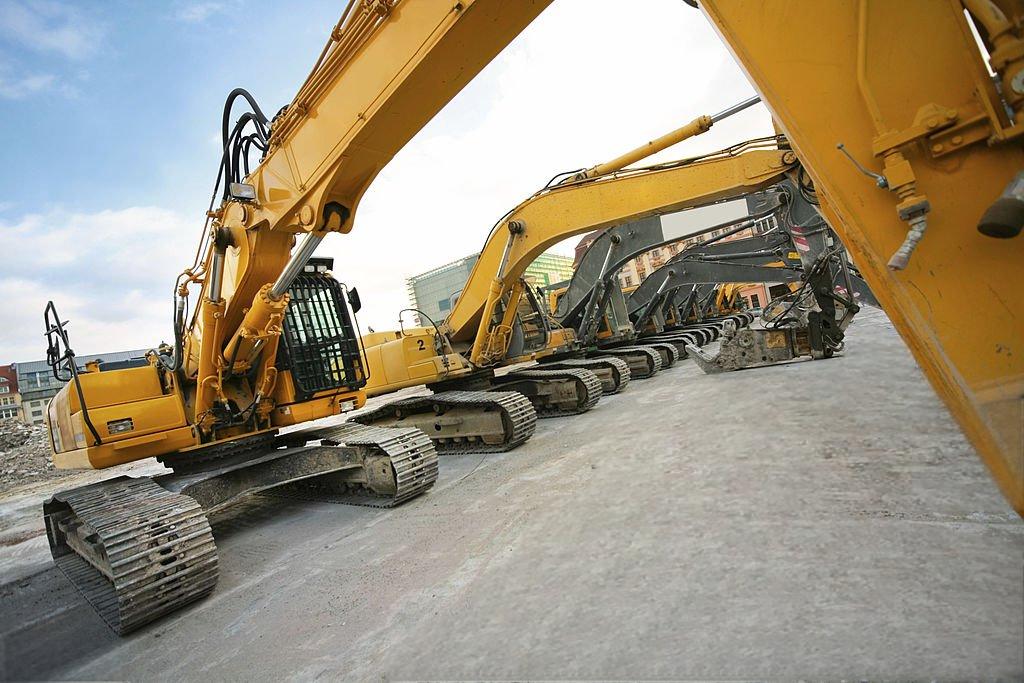
Knowing when to replace critical excavator parts is essential for minimizing downtime and maximizing productivity. This guide explores optimal replacement intervals for key components, helping information researchers, decision-makers, and procurement professionals make cost-effective maintenance decisions. Learn how proper part replacement scheduling can impact your equipment's performance and operational budget.
Key Excavator Components & Replacement Cycles
Excavator parts such as hydraulic pumps, undercarriage systems, and boom cylinders have varying lifespans depending on operating conditions. For instance, the Komatsu parts PC1250-8 hydraulic pump 705-11-20050 708-2L-00690 708-2L-00680 typically requires inspection every 2,000 hours with full replacement recommended at 8,000-10,000 hours under normal mining operations. Track chains and idlers may need replacement every 3,000-5,000 hours in abrasive environments, while bucket teeth in rocky terrain often last merely 200-300 hours before requiring rotation or replacement.
Market Analysis: Cost Implications of Delayed Replacement
A 2023 OEM benchmark study reveals that 37% of unplanned excavator downtime stems from overdue part replacements, costing contractors $180/hour in lost productivity. The global excavator aftermarket parts sector is projected to grow at 5.2% CAGR through 2030, driven by increased awareness of preventive maintenance strategies. Decision-makers should note that replacing wear parts at 80% of their rated lifespan reduces total ownership costs by 22% compared to reactive replacement models.
Technical Performance Indicators
Modern excavator parts incorporate wear sensors and telematics for predictive maintenance. ISO 4406:2021 standards define hydraulic fluid cleanliness levels that indicate pump health - when particle counts exceed 18/16/13 (ISO code), immediate filter changes and potential pump replacement become necessary. Swing bearing wear beyond 0.5mm radial clearance often necessitates replacement to prevent catastrophic failure. Regularly monitoring these parameters allows finance teams to budget for replacements during planned maintenance windows rather than emergency purchases.
Procurement Strategies for Enterprise Buyers
Corporate procurement officers should establish tiered supplier networks for excavator parts, combining OEM channels for critical components like the mentioned hydraulic pump with certified aftermarket alternatives for non-structural parts. Bulk purchasing agreements for high-wear items can yield 12-18% cost savings. Implement inventory tracking systems that automatically reorder parts when equipment usage reaches 70% of predicted lifespan, ensuring availability without excessive stockpiling.
Why Partner With Our Solutions
Our platform provides lifecycle management tools that integrate with your equipment telematics, generating automated replacement alerts based on actual operating conditions rather than generic hour meters. We offer certified rebuilt components that meet original performance specifications at 40-60% of new part costs, backed by 12-month warranties. Contract administrators can access consolidated invoices with detailed breakdowns of maintenance cost projections for simplified budget approvals.
FAQs: Excavator Part Replacement
Q: Can aftermarket parts match OEM quality for critical components?
A: Select aftermarket manufacturers now produce ISO 9001-certified parts that meet or exceed OEM specifications, particularly for hydraulic systems and structural components.
Q: How does climate affect replacement intervals?
A: Arctic operations may require 30% more frequent hydraulic component changes due to fluid viscosity challenges, while desert conditions accelerate undercarriage wear by 40-50%.
Emerging Industry Trends
The adoption of AI-based wear prediction models is reducing unplanned replacements by 28% among early adopters. Blockchain-enabled parts tracing ensures authenticity throughout the supply chain. Recent advancements in metallurgy are extending bucket tooth lifespan by 35% in extreme conditions, though these premium parts command 20-25% price premiums that require thorough ROI analysis by financial decision-makers.